LIVE ONLINE PANEL DISCUSSION
Transcription for Racial Justice
How can transcription and closed caption services serve and support the goal of achieving racial justice?
Join the conversation
Tuesday 24 March
at 7pm GMT
ONLINE PANEL DISCUSSION
Transcription for Racial Justice
How can transcription and closed caption services serve and support the goal of achieving racial justice?
Get the replay
What role can transcription and captioning play in helping us achieve racial justice?
Why transcription and captioning?
Transcription is the act or practice of converting spoken words into textual records, often for the purpose of creating various forms of new knowledge–or newly recognised knowledge.
Captioning takes this one step further, creating a textual accompaniment to audio and video media that enables audiences who for all kinds of reasons can’t rely solely on being able to hear what’s being said, whether because they’re d/Deaf or hard of hearing, have audio processing challenges, or even caring responsibilities that require engaging digital or broadcast content on mute.
Why racial justice?
One of the well-known ways that racism, white supremacy, colonialism and imperialism operate is through the control or management of what can be known, what counts as knowledge, who gets recognised as a knower, and who gets to access what knowledge, and how.
We’ve seen first-hand various ways that transcription and captioning can serve racial justice, whether as a tool to support projects directly focused on experiences of Black, brown and other racialised communities both generally and specifically in relation to racism, or as part of the accessible design of YouTube channels and digital conferences aimed at achieving racial justice in fields ranging from fine art, inclusive design and space science.
What to expect from our panel
Join us for a 60-minute panel discussion where we'll be joined by a line-up of fantastic speakers who'll each speak to us on the general theme of transcription for racial justice and how it relates to their work, expertise and experience.
This will be followed by an audience Q&A of around 30-35 minutes. Topics for discussion might include:
What is transcription's role in supporting research projects specifically focused on documenting and recognising knowledge held by Black, brown and other racialised communities on any and all topics, as well as research and knowledge creation around Black and brown experiences of racism, white supremacy, settler-colonialism, and racial injustice?
How does captioning function as a tool in the assurance and enlargement of access to knowledge, training and support for Black and brown communities who also have diverse access needs owing to being Deaf, neurodivergent, or having parental or caring responsibilities that make audio-only access inaccessible?
What are transcription and captioning’s role in supporting access to news and information during organising and protest, especially online (such as community-based volunteer-led captioning movements that sprung up in support of the George Floyd protests in 2020)?
What is transcription and captioning’s role in the preservation of oral histories, and the creation of archival repositories of those histories, for communities subject to epistemic forms of genocide and ethnic cleansing, like Indigenous, First Nations and Aboriginal peoples, enslaved peoples of African descent, Palestinians, and so on?
Get the replay of our panel which took place on 24 March 2026 at 7pm GMT on the question of how transcription can take us closer towards achieving racial justice.
Tickets cost £7.50 each, with solidarity pricing available using the code SPRINGSAVER.
All revenue will be shared between Crips for eSims for Gaza and Phoenix City Farm, West London.
Panellists TBC
Your CHAIR
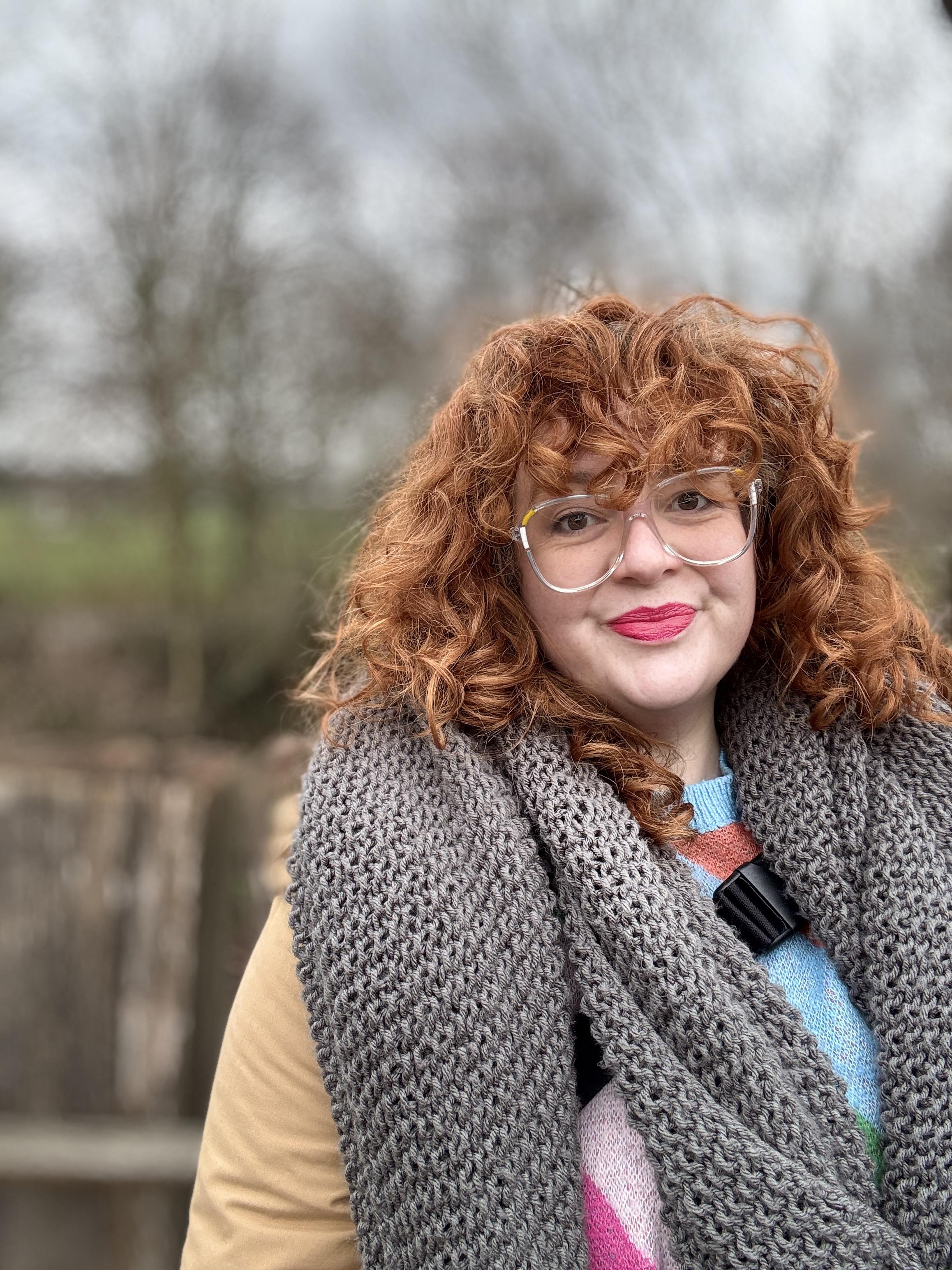
Dr Zara Bain
Founder of Academic Audio Transcription
Honorary Research Associate, Philosophy @ University of Bristol /
Secrecy, Power & Ignorance Network (SPIN) Research Fellow
Zara Bain is an expert in social justice and social entrepreneur helping researchers, educators, and online businesses make knowledge--and knowledge-creation--more accessible.
Zara has a PhD in social & political philosophy and social epistemology from the University of Bristol, focusing on ignorance and epistemic oppression as features of socio-political systems like white supremacy and disability/ableism, as well as the work of late Jamaican-American political philosopher, Charles W. Mills (author of various books, most famously The Racial Contract).
As a disabled, chronically ill and neurodivergent researcher, Zara founded research-specialist transcription and closed-captioning social enterprise, Academic Audio Transcription, in 2017, after realising that if she wanted flexible, fairly-paid remote work accessible from bed or while housebound during medical leave from her doctoral studies, she'd need to build it herself.
Our panellists
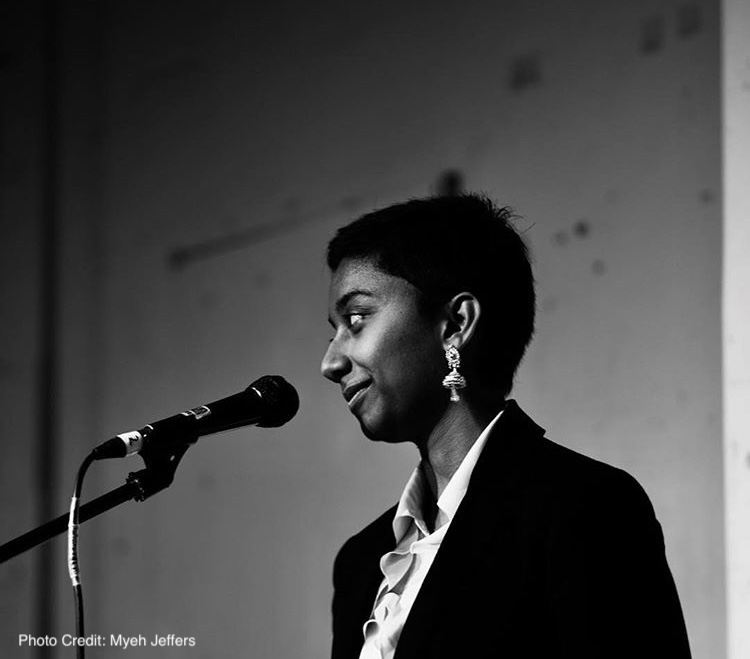
Dr Divya Persaud
Research Fellow, University of Glasgow
Dr. Divya M. Persaud (she/her) is a planetary scientist, writer, musician, and consultant. Her research includes advancing imaging techniques for planetary exploration as a research fellow at the University of Glasgow, and understanding the political economy of the space industry as the research manager of Palestine Space Institute.
Since co-founding the award-winning, cross-disciplinary conference Space Science in Context in 2020, Dr. Persaud has been developing new practices of meeting based on disability justice and universal design, shaping meeting policies across STEM.
Dr. Persaud has spoken, written, collaborated, consulted, and advised internationally on her cross-disciplinary work. She is asking you to do what you can today to interrupt genocide, dismantle settler colonialism, and free Palestine.
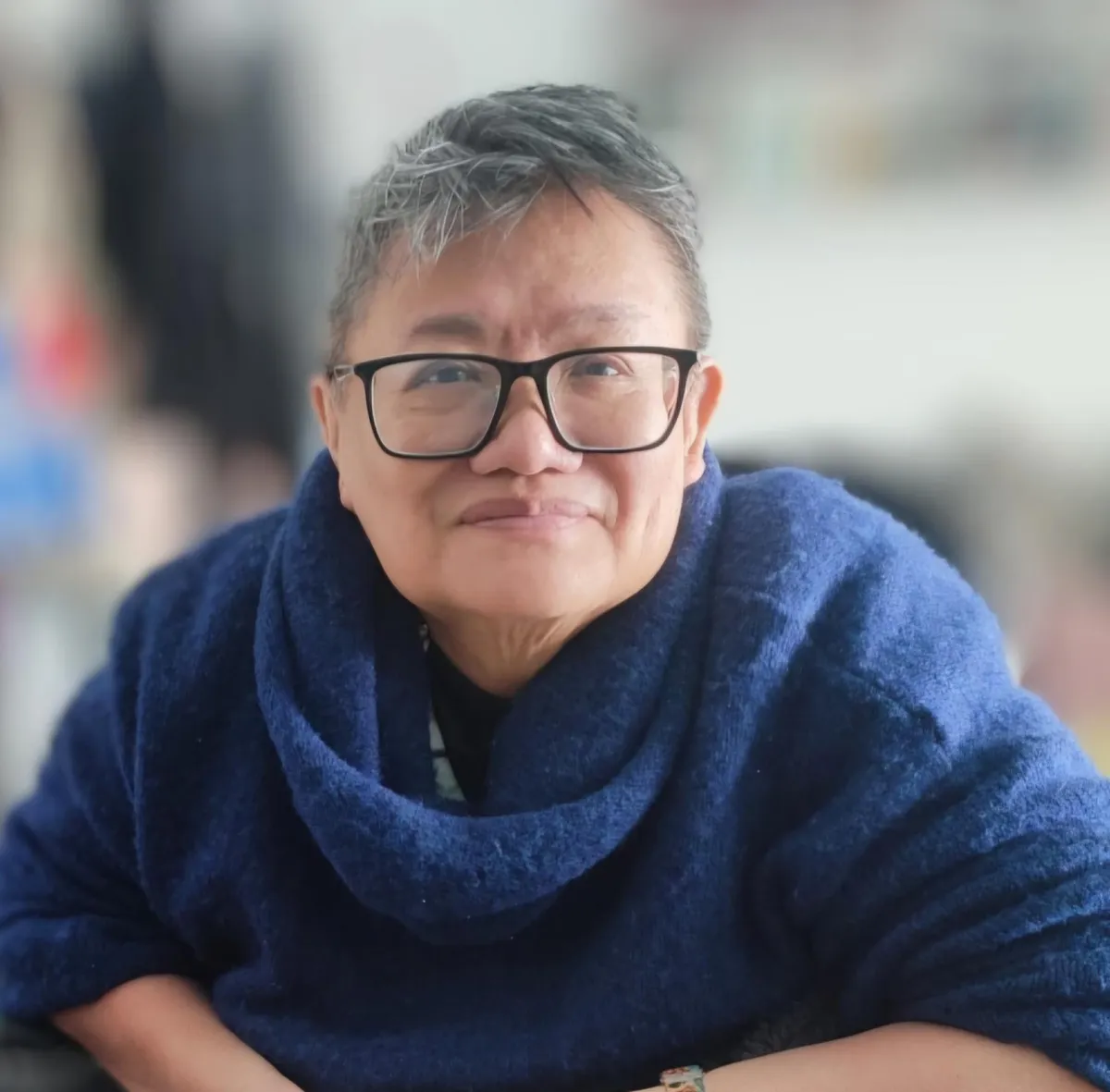
Dr Eleanor Lisney
Co-Director, Sisters of Frida
Co-Director, Culture Access
Eleanor Lisney is a disability rights campaigner, public speaker, trainer, cultural advisor, podcaster and writer.
Through her work as co-founder and co-director of Culture Access (a collective of Deaf and Disabled people) and Sisters of Frida (a Disabled women and non binary folk collective), Eleanor creates vital platforms for disabled voices and passionate about being inclusive and intersectional.
She has recently received an Honorary Doctorate of Arts, University of Greenwich. She is originally from Malaysia, but now calls London home.
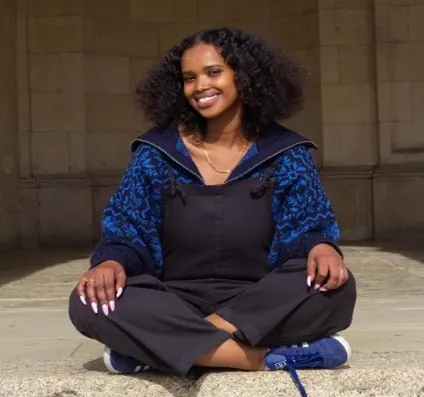
Warda Farah
Critical Neurodiversity Studies Fellow, Durham University
Warda Farah is a Speech and Language Therapist, Writer and Lecturer.
Her work sits at the intersection of Race, Language and Disability. Her approach is guided by her own experiences as neurodivergent Black woman. Whilst wearing many hats ultimately her work aims to centre Black Joy.
Warda has recently published a book with Routledge, titled White System, Black Therapist: Racism, Resistance and Reimagining Speech & Language Therapy.
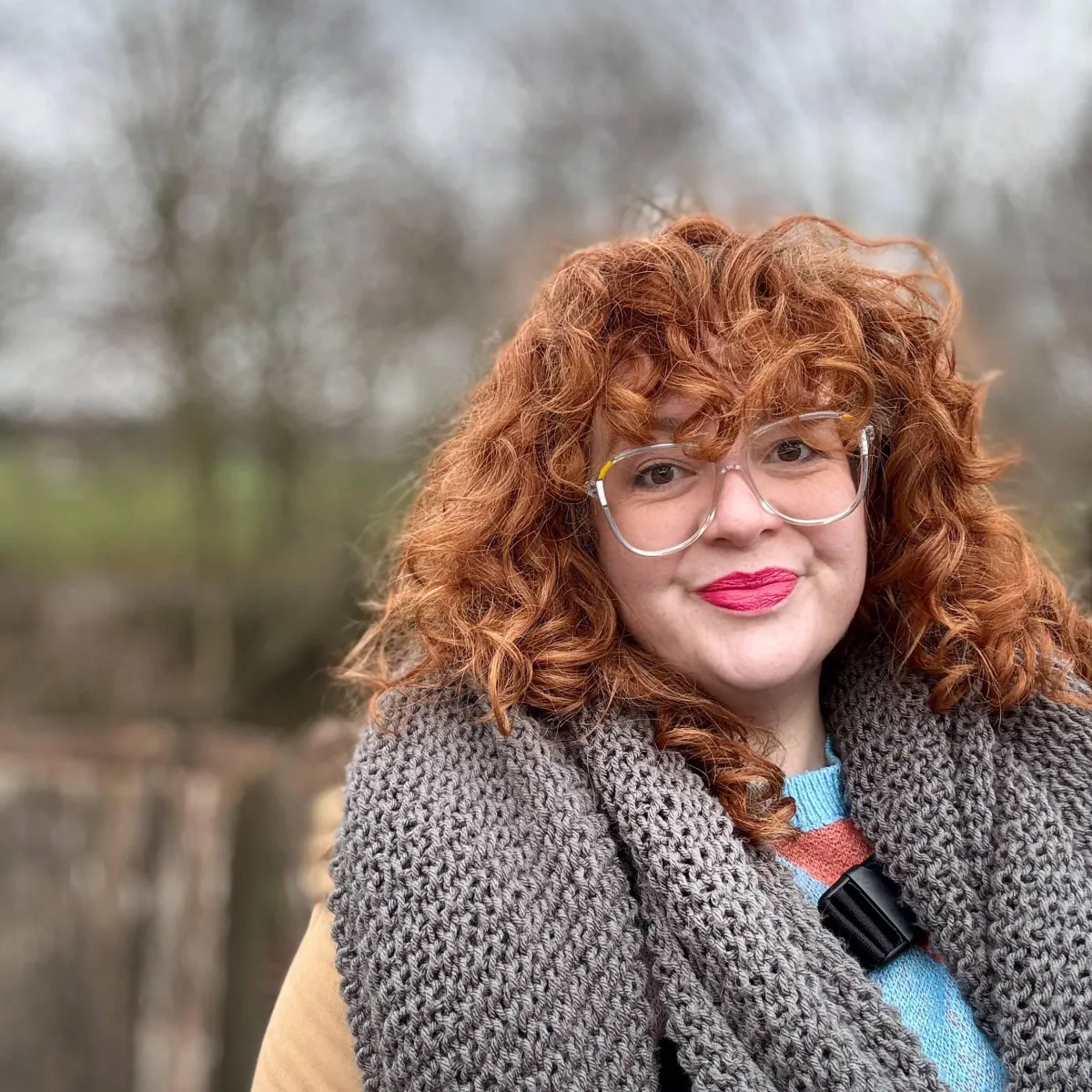
Dr Zara Bain
CEO & Founder, Academic Audio Transcription
Honorary Research Associate, University of Bristol
Zara Bain is an expert in social justice and social entrepreneur helping researchers, educators, and online businesses make knowledge--and knowledge-creation--more accessible. She has a PhD in social & political philosophy and social epistemology, focusing on ignorance and epistemic oppression as features of socio-political systems like white supremacy and disability/ableism. As a disabled, chronically ill and neurodivergent researcher, Zara founded research-specialist transcription and closed-captioning social enterprise, Academic Audio Transcription, in 2017, after realising that if she wanted flexible, fairly-paid remote work accessible from bed or while housebound during medical leave from her doctoral studies, she'd need to build it herself.
Will this event be recorded?
What accessibility measures will be in place?
The event took place over Zoom and the main seminar itself will be recorded, although we will turn the recording off for the Q&A.
All of our events include automated live captions as standard, although we recognise that these are an imperfect solution.
There will not be Sign Language Interpreting available at this event due to budgetary constraints, but we aim to include BSL interpreting at future events as soon as possible.
The replay will be emailed to everyone who signs up to the event, with Zoom-native automated closed-captions, within 24 hours of the event. We will also endeavour to share a PDF copy of any slides, including image descriptions/alt text.
Around 7-10 days after the event, we'll update the replay with high-quality, accessibility-first closed captions alongside a publication-ready transcript of the event (both supplied by Academic Audio Transcription).
If you have any questions about additional accessibility measures, please email us at [email protected].
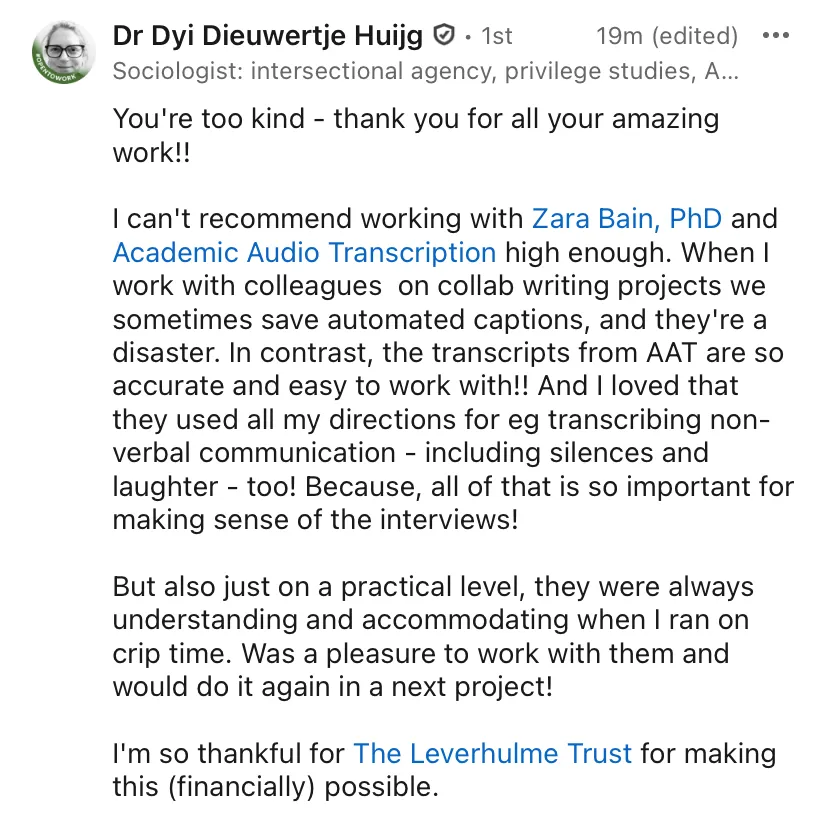
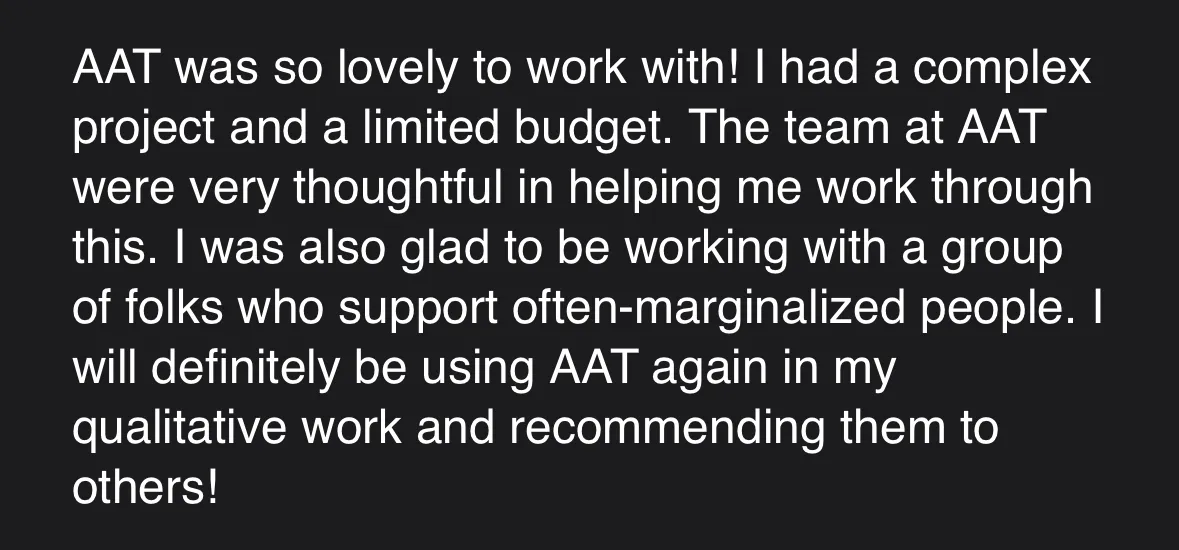
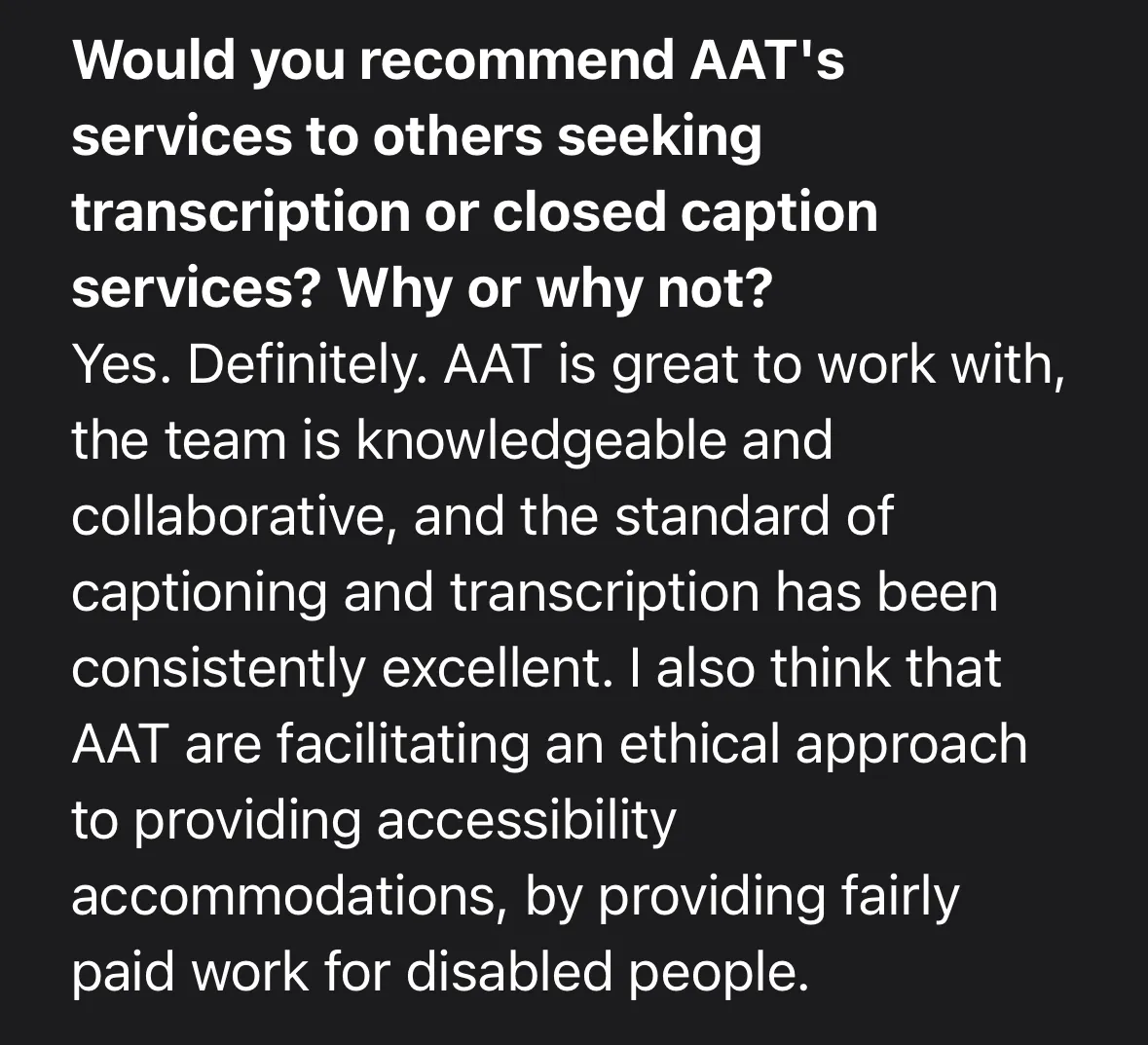
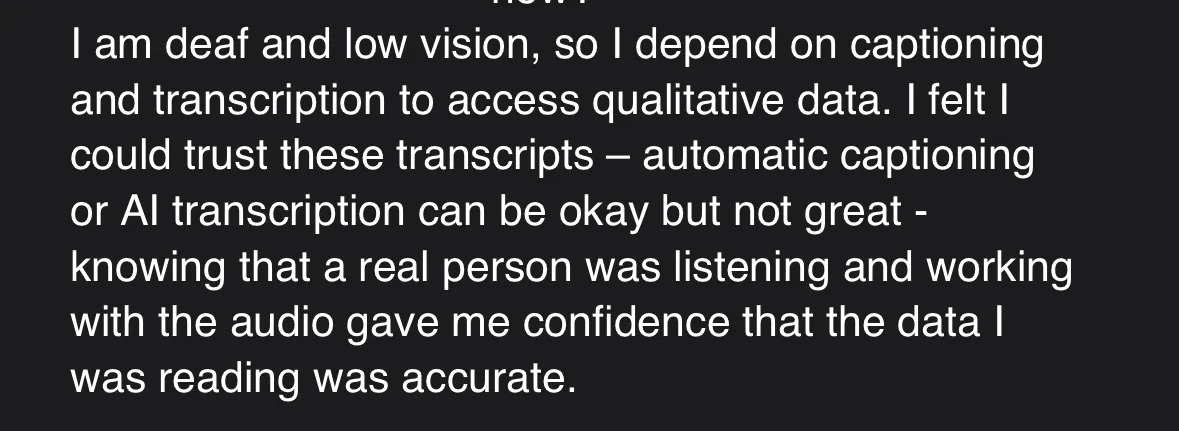
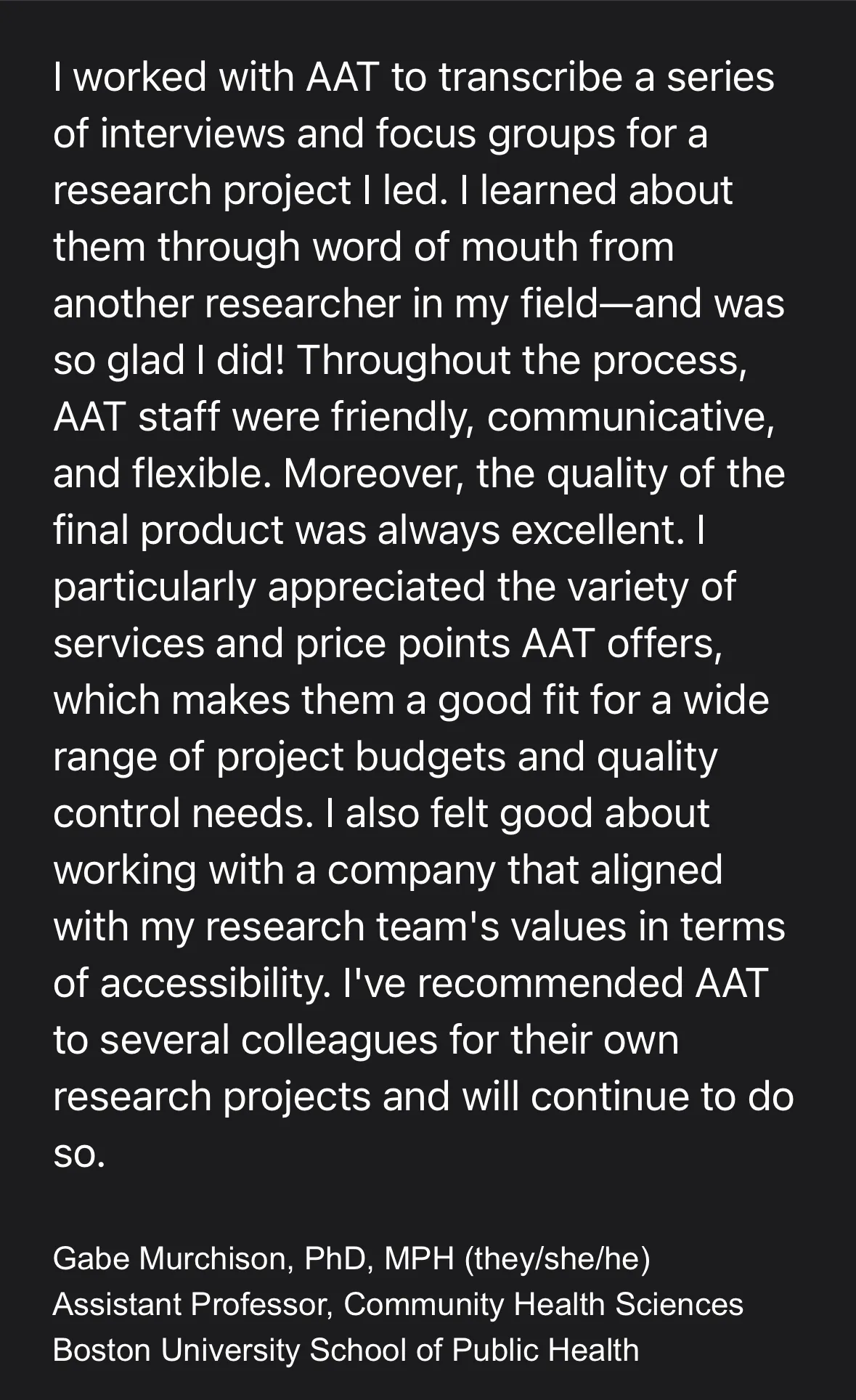
Nice words about your host,
Academic Audio Transcription
Get your replay today
and join us for this thought-provoking discussion
© Copyright. All Rights Reserved.

