FREE WEBINAR
Epistemic
Injustice,
Oppression
& Ignorance:
An Introduction for Social Researchers
Expand your conceptual toolkit with our accessible introduction to concepts every social researcher should know about.
JOIN THE (RESCHEDULED) LIVE WEBINAR
Tuesday 3 March at 7pm GMT
FREE WEBINAR
Epistemic Injustice, Oppression & Ignorance: An Introduction for Social Researchers
Expand your conceptual toolkit with our accessible introduction to the concepts every social researcher should know
JOIN THE (RESCHEDULED) LIVE WEBINAR
Tuesday 3 March at 7pm GMT
What are ‘epistemic injustice,’
‘epistemic oppression’
and ‘epistemologies of ignorance’?
And why should social researchers care?
What You'll Learn
In this 90-minute session including talk plus Q&A, we'll cover:
In what ways is knowledge--and ignorance--implicated in social injustice, oppression and domination?
How can and do social researchers contribute (knowingly, intentionally or otherwise!) to epistemic injustice and oppression, whether through research design, how they select, gather and interpret participants and their testimonies, or through citational practices and other forms of knowledge (re) production?
What critical lenses and perspectives ought we apply to concepts like epistemic injustice, epistemic oppression, and epistemologies of ignorance?
What can social researchers do to counteract these forces, and instead direct their energies and attention towards epistemic justice, resistance, and liberation?
Encountered these big, bold philosophical concepts before, but never quite understood what they are and why they matter to your research?
Join us on Tuesday 3 March at 7pm GMT for a free live online webinar where Dr Zara Bain will help you make sense of what you need to know.

Your Host
Dr Zara Bain
Founder of Academic Audio Transcription
Honorary Research Associate, Philosophy @ University of Bristol /
Secrecy, Power & Ignorance Network (SPIN) Research Fellow
Zara Bain is an expert in social justice and social entrepreneur helping researchers, educators, and online businesses make knowledge--and knowledge-creation--more accessible.
Zara has a PhD in social & political philosophy and social epistemology from the University of Bristol, with particular emphasis on epistemologies of ignorance and epistemic oppression as features of socio-political systems like white supremacy and disability/ableism, as well as the work of late Jamaican-American political philosopher, Charles W. Mills (author of various books, most famously The Racial Contract).
Zara's work has been published in numerous prestigious international volumes, including the Routledge International Handbook of Ignorance Studies, as well as featured in The Guardian, The Times Higher Educational Supplement and The Philosopher 1923. She is also co-author of the world's first truly intersectional general introduction to philosophy, Philosophy: A Crash Course.
As a disabled, chronically ill and neurodivergent researcher, Zara founded research-specialist transcription and closed-captioning social enterprise, Academic Audio Transcription, in 2017, after realising that if she wanted flexible, fairly-paid remote work accessible from bed or while housebound during medical leave from her doctoral studies, she'd need to build it herself.
She lives in West London with her partner and two little boys, and in her spare time can be found walking in the woods, experimenting with new recipes, or volunteering at her local city farm.
Will this event be recorded?
What accessibility measures will be in place?
The event will take place over Zoom and the main seminar itself will be recorded, although we will turn the recording off for the Q&A.
All of our events include automated live captions as standard, although we recognise that these are an imperfect solution.
There will not be Sign Language Interpreting available at this event due to budgetary constraints, but we aim to include BSL interpreting at future events as soon as possible.
The replay will be emailed to everyone who signs up to the event, with Zoom-native automated closed-captions, within 24 hours of the event. We will also endeavour to share a PDF copy of any slides, including image descriptions/alt text.
Around 7-10 days after the event, we'll update the replay with high-quality, accessibility-first closed captions alongside a publication-ready transcript of the event (both supplied by Academic Audio Transcription).
If you have any questions about additional accessibility measures, please email us at [email protected].
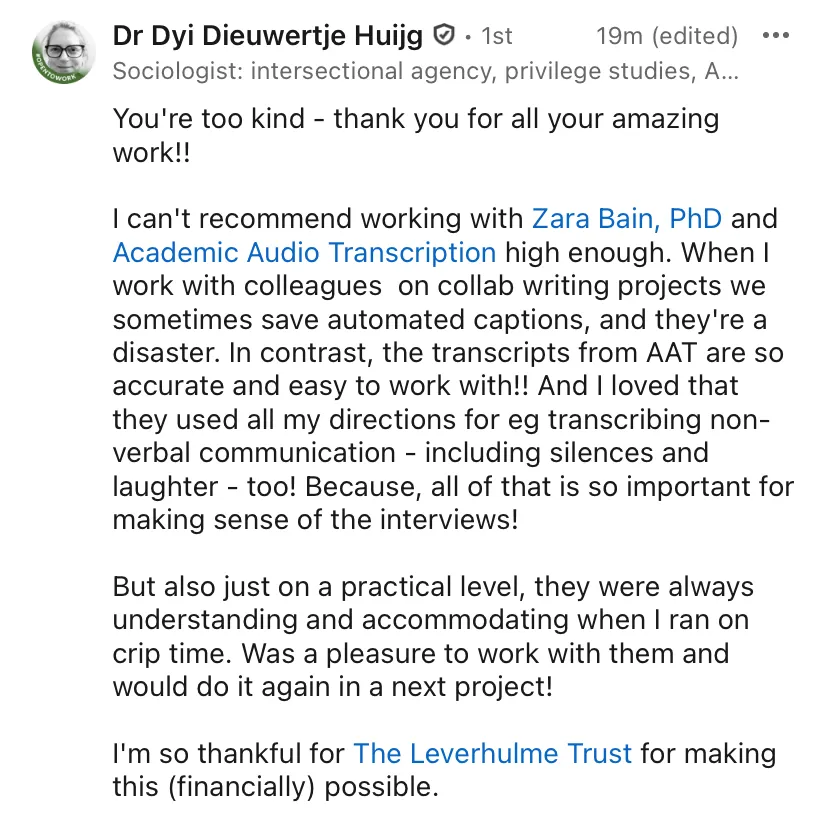
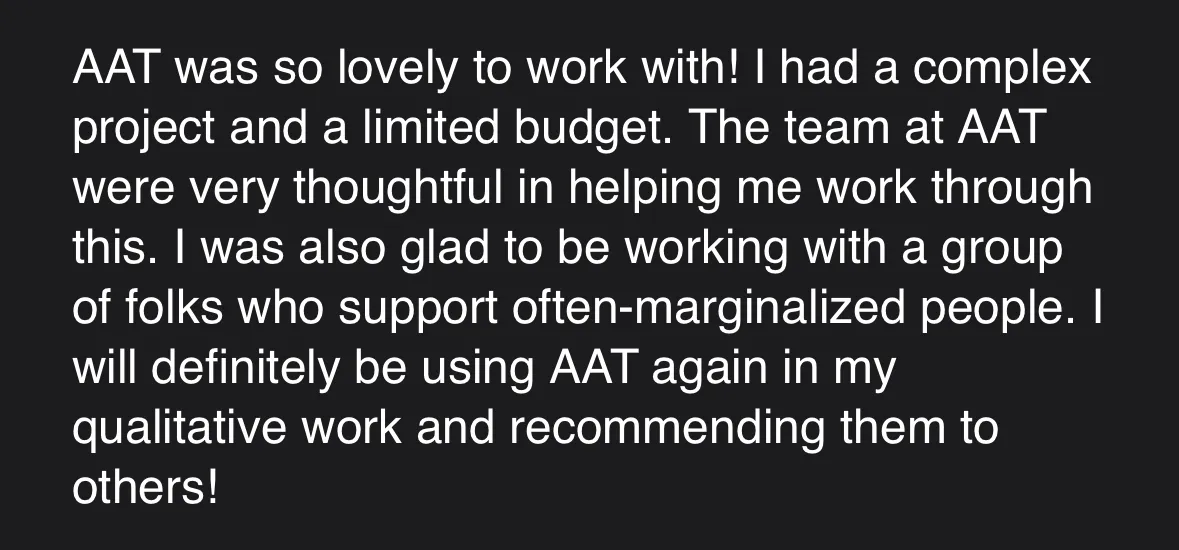
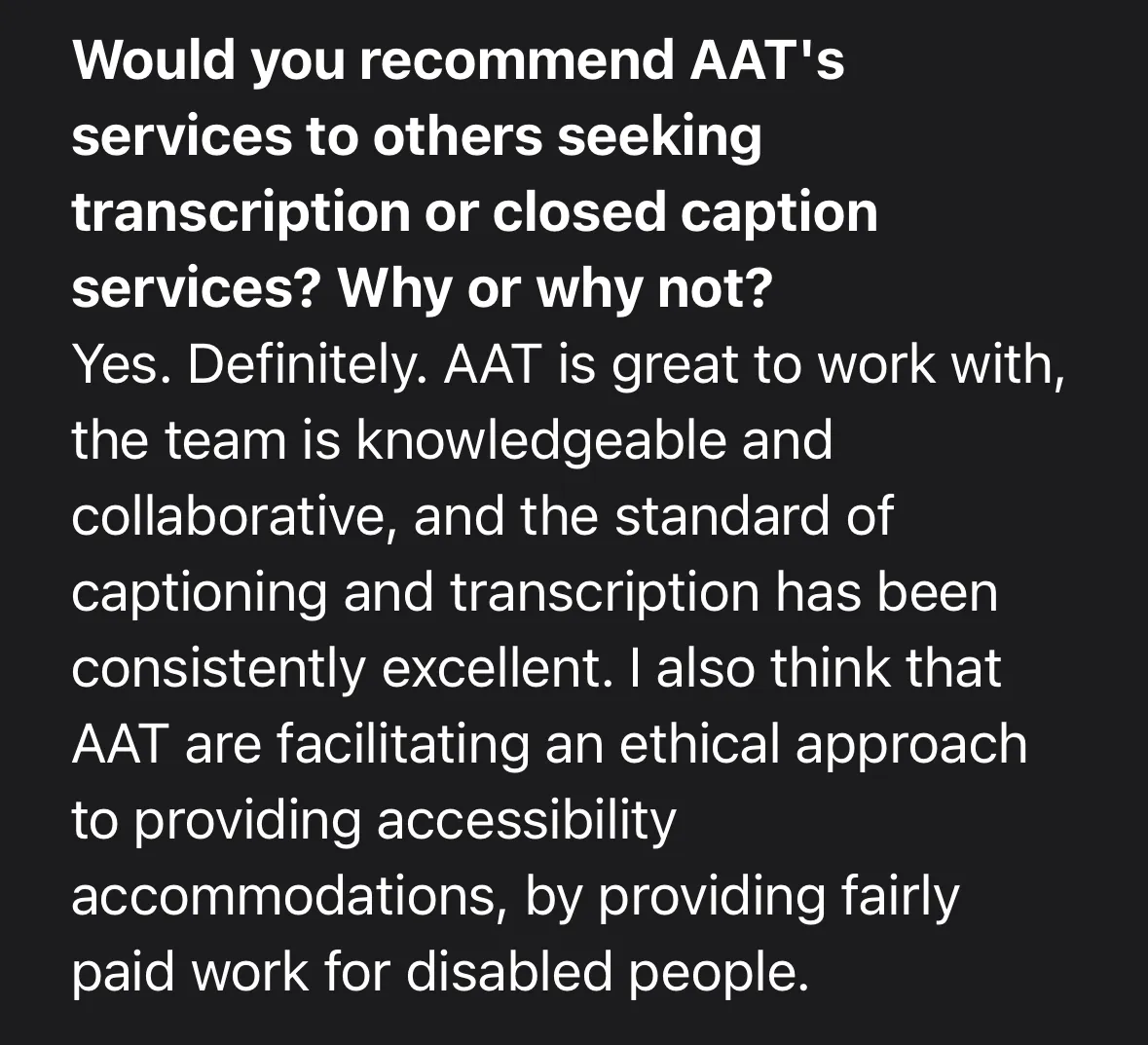
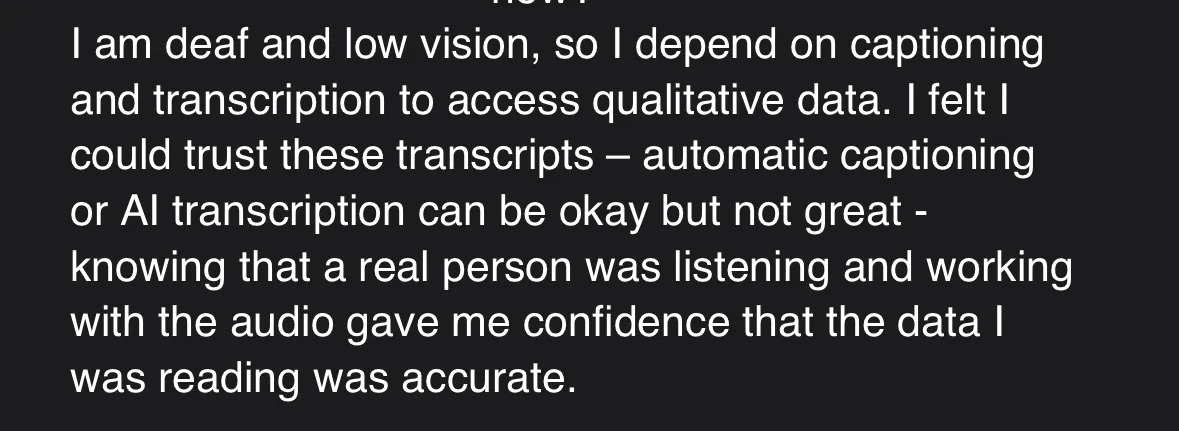
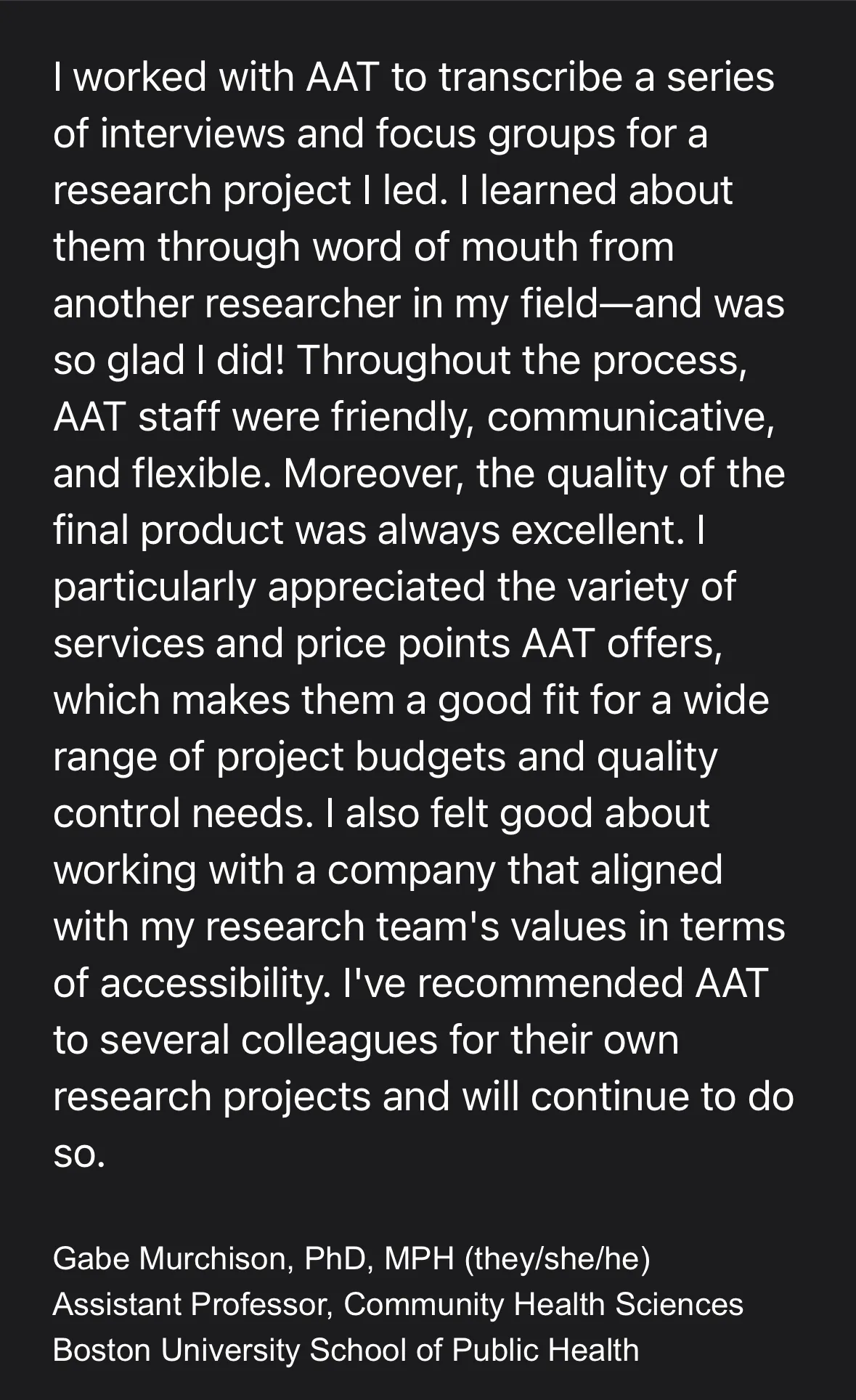
Nice words about your host,
Academic Audio Transcription
Save your seat today
and expand your toolkit of research-essential concepts
© Copyright. All Rights Reserved.

